

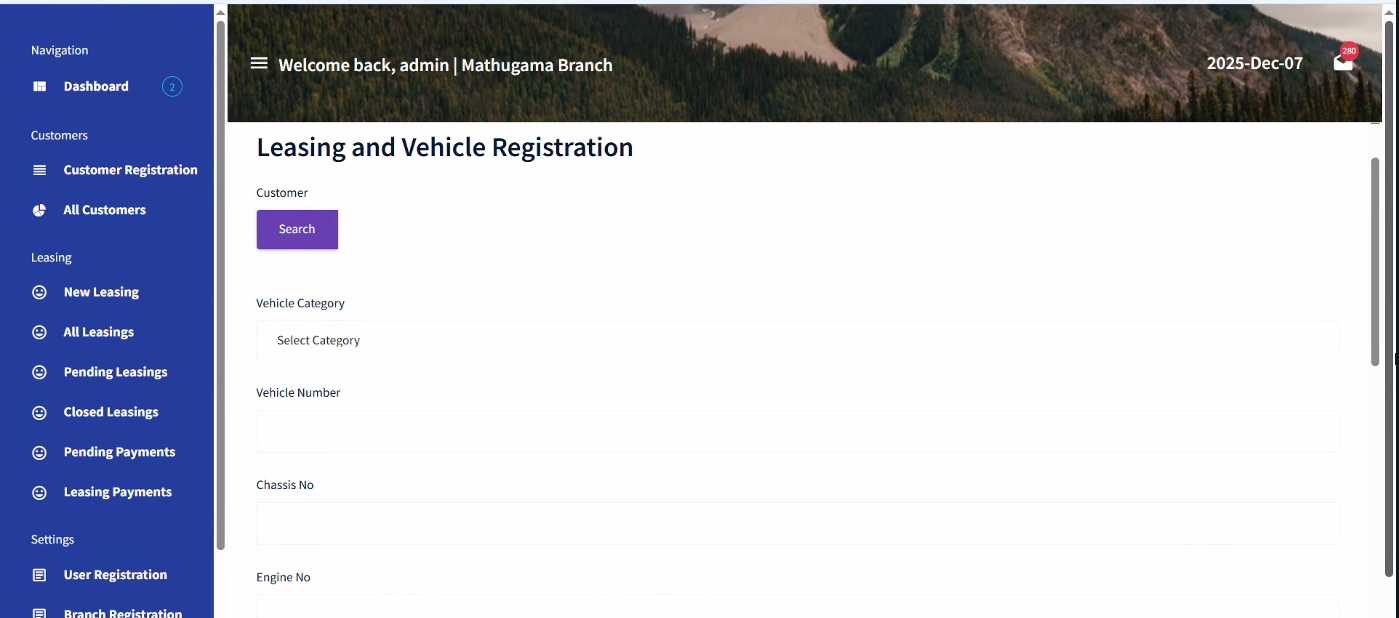
A leasing system is a financial arrangement where one party (the lessor) allows another party (the lessee) to use an asset (e.g., vehicle, equipment, property, or machinery) for a specified period in exchange for regular payments (lease rentals), without transferring ownership.
Key features:
- Ownership: Remains with the lessor.
- Duration: Fixed term (usually 1–5 years for cars/equipment, longer for property).
- Payments: Monthly or periodic, often lower than loan installments.
- End of lease options (depending on type):
- Return the asset
- Renew the lease
- Purchase the asset (at residual value in finance leases)
Main types:
- Operating Lease – Short-term, like renting (e.g., most car leases); asset returned at end.
- Finance/Capital Lease – Longer-term, lessee effectively pays off most of the asset’s cost and may own it at the end.